Content
Have you ever wondered how a single piece of glass can completely transform the atmosphere of a space? In an era where design merges with technology, automatic glass has become one of the most innovative elements reshaping both interior and exterior architecture. It is no longer just a transparent divider between spaces, but a smart feature that offers privacy, enhances natural light, and provides unprecedented flexibility in controlling environments.
In this article, we explore the latest global trends in smart glass, from switchable smart panels to integrated shading and lighting systems, to creative designs for balconies and outdoor lounges. We will also look at the newest colors and finishes available, and how this technology is redefining open-space concepts in modern architecture.
What Is Smart Glass That Switches Transparency at the Push of a Button?
The biggest breakthrough in interior design today is the emergence of smart glazing technologies that can instantly change transparency. This type of smart glass works through advanced electrical systems that adjust how much light passes through, giving you privacy when needed or full openness when desired.
How it works:
- Uses special layers of liquid crystal or polymer that respond when an electric current passes through.
- Offers instant control through a remote, mobile app, or smart home integration.
- Provides on-demand privacy: In offices and meeting rooms, the glass can switch from clear to opaque within seconds.
- Saves energy by reducing reliance on blinds or air conditioning thanks to its light-control capabilities.
- Ideal for bedrooms, luxury bathrooms, and modern living spaces that demand both openness and seclusion.
How Is Automatic Glass Integrated with Shading and Lighting Systems?
One of the most significant trends is combining smart glass with advanced shading and lighting solutions to create a holistic experience. The aim is not just to open or close panels but to achieve a balanced environment that maximizes natural and artificial light.
Smart integrations include:
- Lighting synchronization: When the glass dims, indoor lighting can automatically adjust to warmer or cooler tones.
- Dynamic shading: Sensors react to sunlight intensity, adjusting glass transparency to maintain comfort.
- Visual comfort: This integration reduces eye strain, especially in workspaces and classrooms.
- Energy savings: Coordinating glass, shading, and lighting reduces heavy dependence on air conditioning and artificial lights.
- Custom atmospheres: With one touch, you can switch from a bright working mode to a relaxing evening ambiance.
What Are the Latest Balcony and Outdoor Lounge Designs?
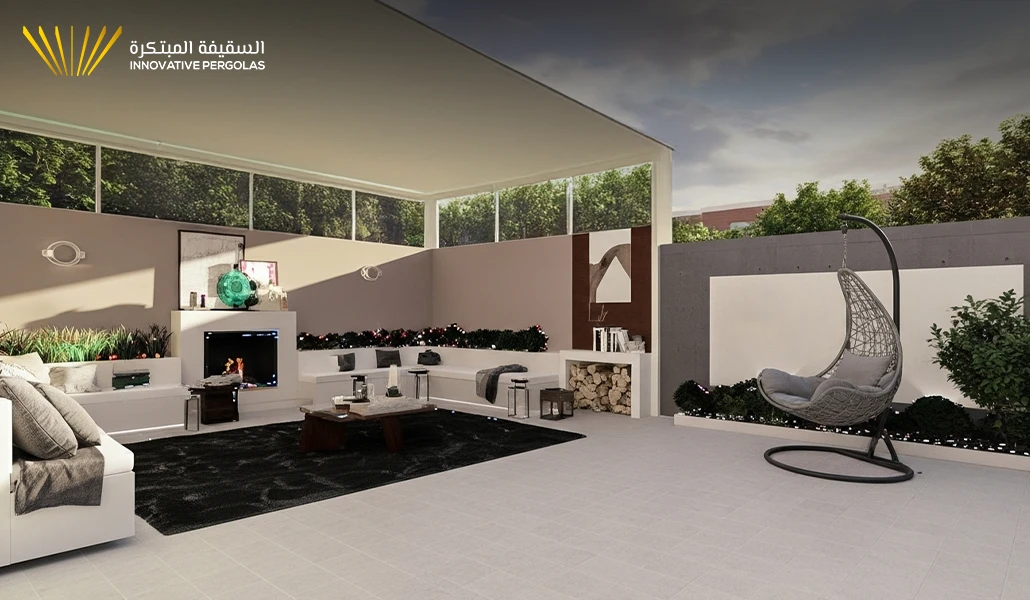
In residential and commercial projects, automatic glass is now a central element in upgrading balconies and outdoor lounges, providing both protection and openness.
Key applications:
- Convertible balconies: Spaces that can be fully enclosed during rain or sandstorms, then opened on pleasant days.
- Luxury villa lounges: Smart glass around gardens or pools creates seamless transitions between indoors and outdoors.
- Restaurants and cafés: Customers enjoy the weather while operators control the environment based on the season.
- Noise and dust barriers: Smart panels act as effective shields without blocking the view.
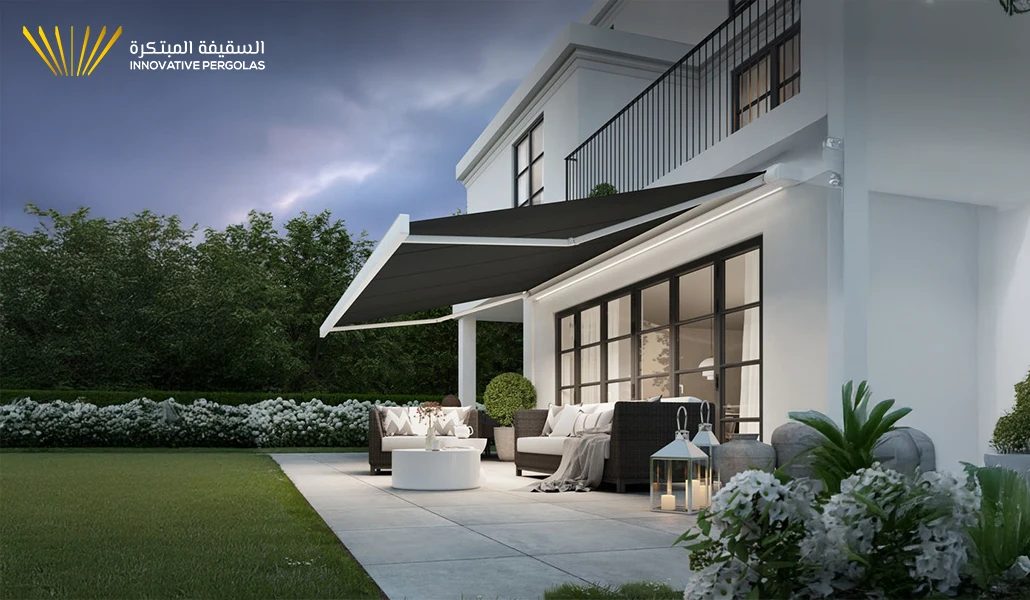
- Flexible combinations: Can be integrated with retractable roofs or motorized awnings for an enhanced experience.
What New Colors and Finishes Are Available?
Modern automatic glass is no longer limited to clear and opaque modes—it now offers a wide palette of customization options.
Current design trends include:
- Color variety: Neutral grays, soft blues, and even green tones for contemporary appeal.
- Reflective finishes: Semi-mirrored options add sophistication while reflecting heat.
- Hybrid materials: Glass combined with aluminum or wood blends modern elegance with warmth.
- UV resistance: New treatments ensure colors remain stable under prolonged sun exposure.
- Custom patterns: Logos, etching, or bespoke designs can be embedded to reflect brand identity or personal style.
How Does Automatic Glass Redefine Open-Space Living?
Perhaps the greatest advantage of smart glass is its ability to change how we perceive and use open spaces. It transforms traditional boundaries into adaptable and flexible solutions.
Its impact includes:
- Eliminating rigid barriers: Merges indoor and outdoor areas into one continuous flow.
- Balancing privacy and openness: Enjoy scenic views while maintaining personal seclusion.
- Increasing property value: Real estate equipped with smart glazing attracts higher interest from buyers.
- Multi-purpose usage: A single room can serve as a sunlit lounge in the morning and a private enclosed area at night.
- Luxury lifestyle experience: Adds a premium, futuristic feel to modern architecture.
Why Is Investing in Automatic Glass with Al Saqifa a Long-Term Choice?
Installing smart glass in a residential or commercial project is not only about aesthetics—it offers lasting financial and functional benefits.
Key advantages include:
- Energy efficiency: Controlling light and heat reduces electricity consumption in cooling and lighting.
- Higher property value: Buildings with smart glazing stand out in the real estate market.
- Lower maintenance costs: Premium materials and advanced technology ensure durability with minimal upkeep.
- Everyday comfort: A blend of beauty and practicality creates spaces that are enjoyable and user-friendly.
- Sustainability: Automatic glazing supports eco-friendly building practices and green architecture standards.
With the expertise of Al Saqifa, this investment transforms into a long-term asset that combines elegance, practicality, and modern innovation.
Today, automatic glass is more than just an architectural feature—it represents a new design language. From switchable transparency and integration with shading and lighting systems, to creative balcony concepts and a variety of modern finishes, this innovation continues to redefine open-space living. As demand grows and technology advances, it will remain a symbol of comfort, sustainability, and sophistication in future projects.